

Mechanical engineering is like the backstage crew of the world. It’s the branch of engineering that deals with the design, analysis, and manufacturing of mechanical systems. Think of anything that involves moving parts or heat, and mechanical engineers are probably behind it. They tackle challenges from making more fuel-efficient engines to designing cutting-edge robotics. It’s a field that’s all about making things work, and work better.
The Undergraduate Program in Mechanical Engineering consists of a total of 3 terms, with the first two terms focused on coursework and the third term dedicated to thesis work.
During the first term, students are required to take a total of 3 courses, and in the second term, they are obligated to complete 6 courses.
A Mechanical Engineering license program, often referred to as a Bachelor’s or undergraduate program in Mechanical Engineering, is an academic program that provides students with a comprehensive education in the principles and practices of mechanical engineering. The term “license” may be used in some regions to denote the completion of a bachelor’s degree.
Here are key aspects of a Mechanical Engineering license program:
Duration: Typically, a Mechanical Engineering license program spans four years of full-time study, leading to a Bachelor of Science or Bachelor of Engineering degree.
Curriculum: The curriculum covers a broad range of subjects essential to mechanical engineering, including mathematics, physics, thermodynamics, fluid mechanics, heat transfer, materials science, machine design, manufacturing processes, dynamics, and control systems.
Core Courses: Students take core courses in foundational mechanical engineering topics such as statics, dynamics, mechanics of materials, and thermodynamics.
Electives: In later years, students often have the opportunity to choose elective courses based on their interests or to specialize in specific areas within mechanical engineering, such as robotics, automotive engineering, or aerospace engineering.
Laboratory Work: Practical experience is gained through laboratory work, where students apply theoretical knowledge to hands-on experiments related to mechanical systems and components.
Design Projects: Many programs include design projects that allow students to work on real-world engineering challenges, fostering creativity and problem-solving skills.
Internships and Co-op Programs: Some programs offer opportunities for internships or cooperative education (co-op) experiences, allowing students to gain industry experience before graduation.
Capstone Project: Towards the end of the program, students may be required to complete a capstone project, applying their cumulative knowledge and skills to solve a significant engineering problem.
Upon completion of a Mechanical Engineering license program, graduates are equipped with the foundational knowledge and skills needed to pursue careers in various industries, including manufacturing, energy, automotive, aerospace, and more. Additionally, they may choose to further their education by pursuing a Master’s or higher degree in Mechanical Engineering or a related field.
| Time | Place | Room | Date Range | Instructor |
|---|---|---|---|---|
| 00:01 – 24:00 | MECE0281 | 102 | 1 January 2023 – 31 December 2023 | PhD |
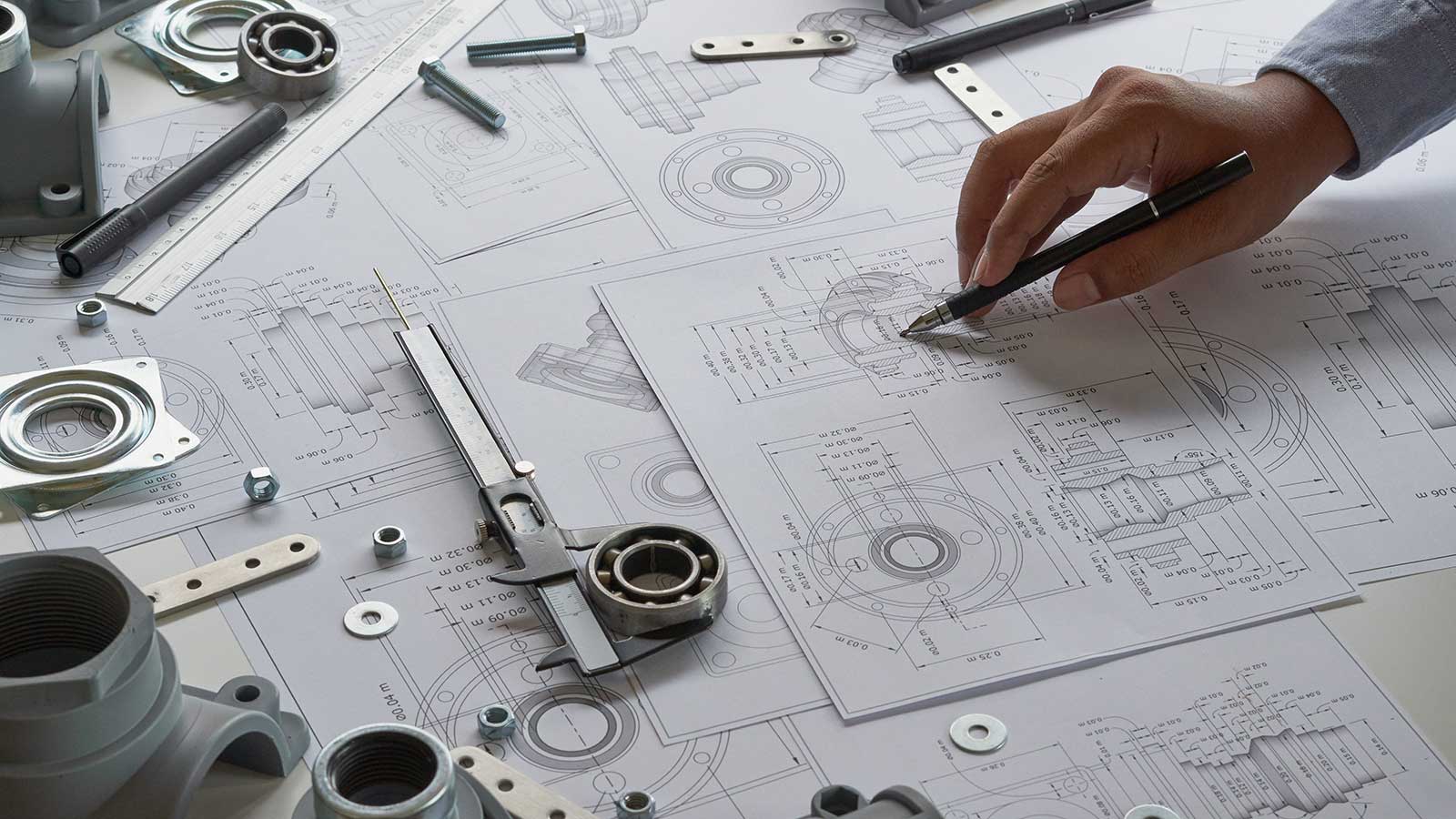
Our Undergraduate Program in Mechanical Engineering started accepting students in 2011 and has been actively and intensively sought after due to its success in rewarding accomplished students over the years.