

The Undergraduate Program in Psychology consists of a total of 3 terms, with the first two terms focused on coursework and the third term dedicated to thesis work.
During the first term, students are required to take a total of 3 courses, and in the second term, they are obligated to complete 6 courses.
A “Psychology license program” typically refers to a program or educational pathway that is designed to help individuals become licensed psychologists. Psychologists are professionals who study human behavior and provide a range of mental health and counseling services to individuals and communities. To practice psychology legally and ethically in most jurisdictions, individuals must obtain a license.
The specific requirements for obtaining a psychology license can vary by country, state, or region, but they generally include completing a specific level of education, typically a doctoral degree in psychology (such as a Ph.D. or Psy.D.), completing a certain number of supervised clinical or internship hours, passing a licensing exam, and adhering to ethical and professional standards set by the relevant licensing authority. In the United States, for example, psychologists often need to pass the Examination for Professional Practice in Psychology (EPPP) as part of the licensing process.
Psychology license programs can include the doctoral programs in psychology that prepare students for licensure, as well as post-doctoral training and supervised experience required for licensure. These programs are typically offered by universities, professional organizations, or government agencies.
It’s essential to research the specific requirements for psychology licensure in your area if you are interested in becoming a licensed psychologist, as the requirements can vary significantly by location.
Advanced Psychopathology:
Neuropsychology and Brain-Behavior Relationships:
Child and Adolescent Psychology:
Forensic Psychology:
Health Psychology:
Group Counseling and Therapy:
Assessment and Treatment of Substance Use Disorders:
Ethics and Professionalism in Psychology:
Research Methods in Psychology:
Theories of Personality:
Cognitive Psychology:
Abnormal Psychology:
Lifespan Development:
Psychopharmacology:
Counseling Skills and Techniques:
Introduction to Ethics in Psychology:
| Time | Place | Room | Date Range | Instructor |
|---|---|---|---|---|
| 00:01 – 24:00 | P0245 | 102 | 1 January 2023 – 31 December 2023 | PhD |
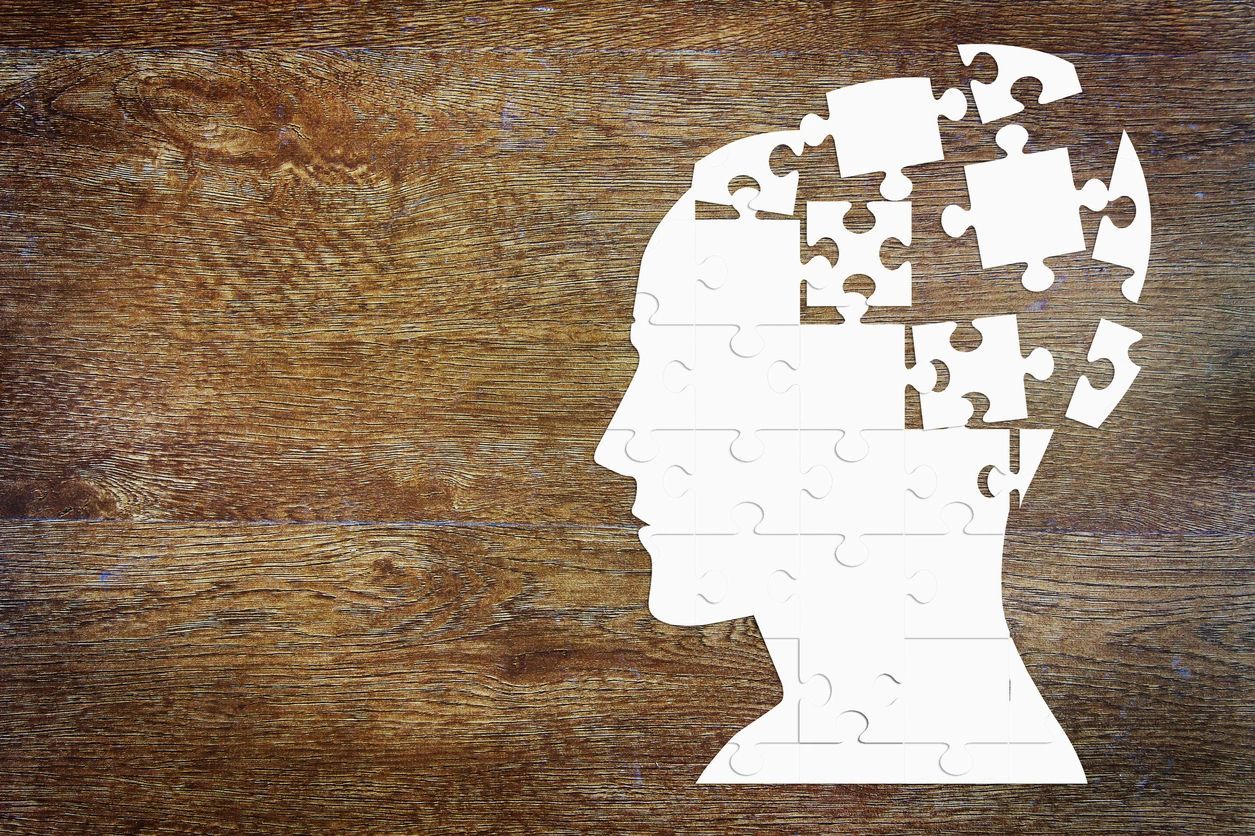
Our Undergraduate Program in Psychology started accepting students in 2011 and has been actively and intensively sought after due to its success in rewarding accomplished students over the years.